Ariel Shapell, an attorney representing Doe at the American Civil Liberties Union of Pennsylvania, told Ars that “if you go and look at the content on the Facebook and Instagram profiles at issue here, it’s pretty innocuous.”
DHS claimed to have received information about the group supposedly “stalking and gathering of intelligence on federal agents involved in ICE operations.” However, Doe argued that “unsurprisingly, neither DHS nor its declarant cites any post even allegedly constituting any such threat. To the contrary, all posts on these social media accounts constitute speech addressing important public issues fully protected under the First Amendment,” Doe argued.
“Reporting on, or even livestreaming, publicly occurring immigration operations is fully protected First Amendment activity,” Doe argued. “DHS does not, and cannot, show how such conduct constitutes an assault, kidnapping, or murder of a federal law enforcement officer, or a threat to do any of those things.”
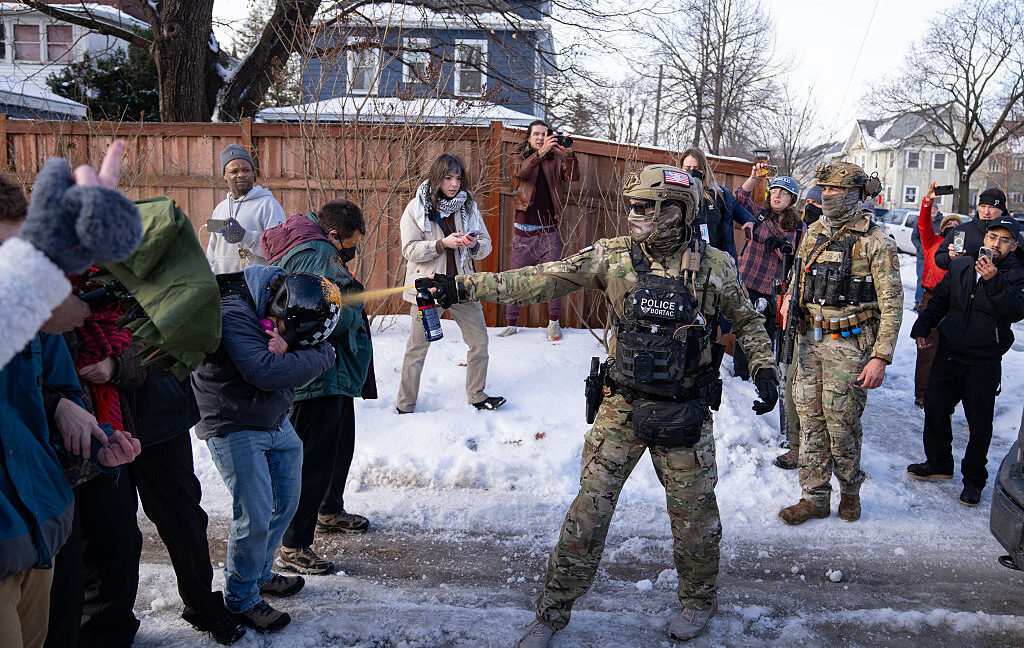
Anti-ICE backlash mounting amid ongoing protests
Doe’s motion to quash the subpoena arrives at a time when recent YouGov polling suggests that Americans have reached a tipping point in ending support for ICE. YouGov’s poll found more people disapprove of how ICE is handling its job than approve, following the aftermath of nationwide anti-ICE protests over Renee Good’s killing. ICE critics have used footage of tragic events—like Good’s death and eight other ICE shootings since September—to support calls to remove ICE from embattled communities and abolish ICE.
As sharing ICE footage has swayed public debate, DHS has seemingly sought to subpoena Meta and possibly other platforms for subscriber information.
In October, Meta refused to provide names of users associated with Doe’s accounts—as well as “postal code, country, all email address(es) on file, date of account creation, registered telephone numbers, IP address at account signup, and logs showing IP address and date stamps for account accesses”—without further information from DHS. Meta then gave Doe the opportunity to move to quash the subpoena to stop the company from sharing information.
Source link