Sleek
Credit:
Jakub Porzycki/NurPhoto via Getty Images
2026 cars look good.
Credit:
Jakub Porzycki/NurPhoto via Getty Images
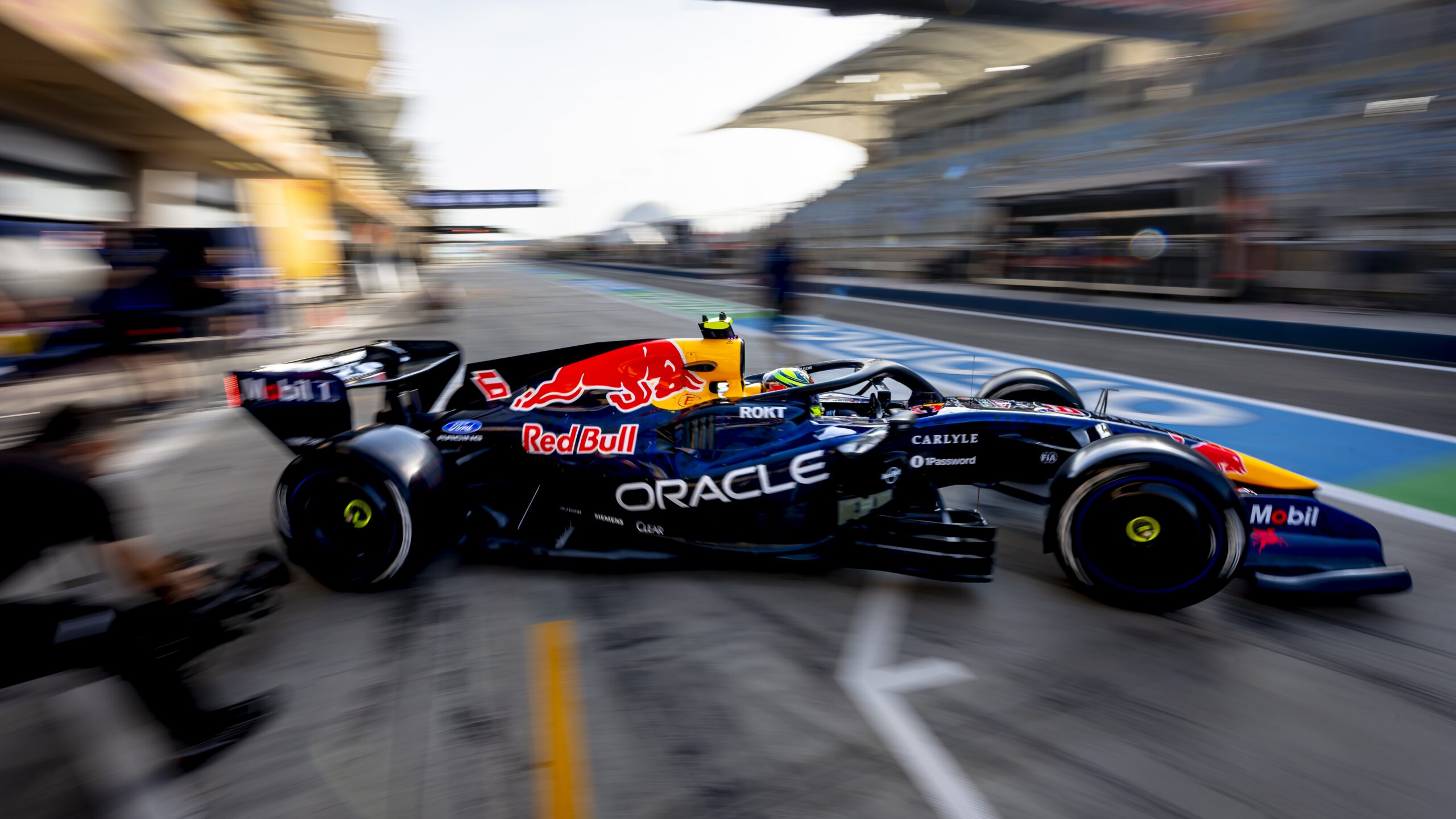
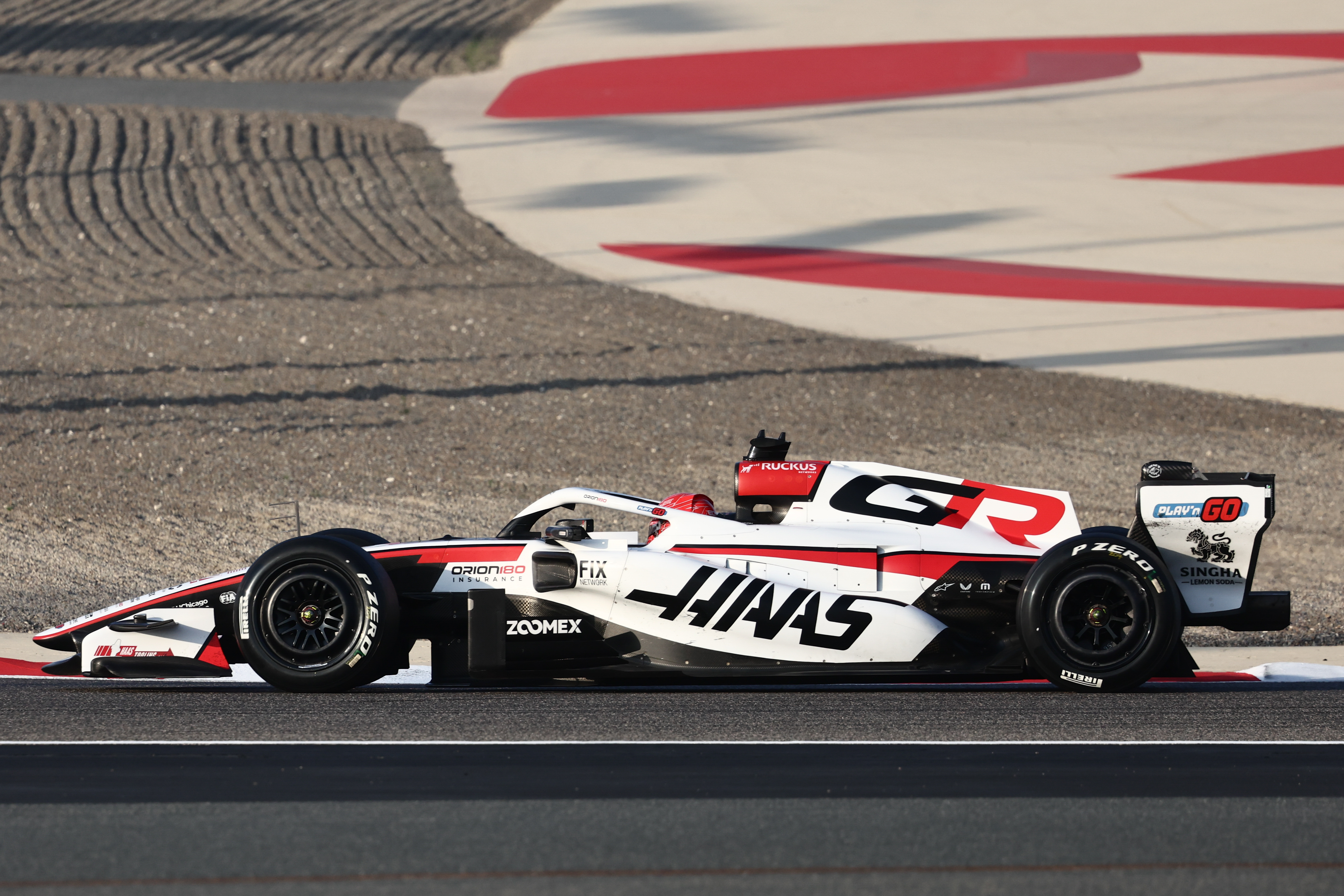
I’ll say this for the 2026 crop of cars: They sure look good. They’re a little shorter and narrower than last year’s cars, with slightly narrower tires and much greater diversity among the teams than in the tightly proscribed ground-effect era. Those rules, which ran from 2022 to 2025, gave such little leeway to the teams in design decisions that performance converged to within fractions of a percent across the entire grid. Now everyone looks quite different from one another.
The big thing to look out for this year is who can shed the most drag in straight-line mode. Each car’s front and rear wings are now active, with a raised position called corner mode that generates lots of downforce, and corner mode, which drops both wings to minimize drag (and therefore the energy the car needs to go fast). Ferrari tested an interesting approach to this in Bahrain at one point, with rear wing elements that flipped a full 180 degrees. I wonder if we’ll see that in-season.
The arguments about engine compression ratios are still ongoing. Briefly, Mercedes is believed to have used clever materials science to create an engine in which the compression ratio increases rather than decreases as the engine gets hot. For this year, engines are capped at a compression ratio of 16:1 but measured at ambient temperature. Next week, the teams and the sport’s organizers (the FIA) meet to discuss adding a hot test for compression ratios, which is unlikely to go Mercedes’ way. (For its part, Mercedes says there’s nothing illegal about its engines.)
The Mercedes-powered teams (Mercedes, McLaren, Williams, and Alpine), as well as Honda-powered Aston Martin, have another potential problem. Each power unit has its own sustainable fuel; Mercedes’ is provided by Petronas and Honda’s by Aramco. To ensure it is indeed fully sustainable, there’s a homologation process with an independent third party to verify compliance throughout the supply chain. Unfortunately for these five teams, neither Petronas nor Aramco have finished this homologation process, with a deadline of March 1 fast approaching. Should that not happen in time, we’ll still see those five teams race, but they’ll use a substitute fuel that won’t be optimized for the engines that will burn it.
Source link